No. 3630046
As a parent, you’re hoping for a school that teaches more than what’s in the books: a place where your child grows more independent, disciplined, confident, and learns how to get along with others.
Hyderabad—and the areas around it—offers all kinds of options: day schools, boarding schools, and full-fledged residential campuses. Before jumping in, it’s worth weighing up things like the teaching style, curriculum, hostel facilities, supervision, extracurriculars, sports, and even the cost. It also helps to ask how the school handles daily routines and whether those fit your child.
A residential campus brings education and day-to-day life together. Your child lives on campus, goes to class, and follows a set routine. If the school matches your child’s personality and needs, residential life can really fuel their growth.
Big plus: hostels have a routine. There’s a pattern with classes, assignments, study time, etc. This can help youngsters create excellent study habits and learn time management. Students learn to work things out step by step rather than let their tasks pile up.
Parents searching for hostel schools in Hyderabad might ask: What is your study period structure? Is there a teacher or staff member available to help when pupils get stuck? Do you have more help on more difficult subjects? A balanced routine is important too. Good schools provide time for proper sleep, meals, recreation and exercise, not just books and pressure.
Children who live away from home begin to manage on their own. They look after their possessions, retain good personal hygiene, follow routines and learn how to get along in shared areas.
Hostel life opens up a world beyond the classroom. Kids spend time together, join group activities, sports, and cultural programs. They build new friendships and learn to cooperate—even with people who bring different backgrounds and habits. When you’re choosing, ask how the school encourages positive relationships and handles conflicts or bullying.
Residential schools often make it easier to fit in sports and extracurriculars right into the daily schedule, rather than pushing everything to the weekends. It could be cricket, swimming, chess, or drama—whatever sparks your child’s interest. Look beyond the list of activities on the school website. Ask how often kids actually get to participate and what facilities are truly up and running.
Bringing academics, sports, and daily living into one routine helps kids learn to manage their time and responsibilities. Whether they’re leading a group project, organizing an event, or juggling different commitments, these are experiences that’ll stick for life. Hostel life isn’t a guarantee of academic or personal success—it’s just one (potentially powerful) part of the puzzle.
The basics really matter. Is the hostel clean? How many kids are in a room? Is it airy? Is there enough storage and lighting, and are the bathrooms decent? Are there spots for quiet study and spaces to relax?
Don’t hesitate to ask: How do you allot rooms? What are the rules around belongings, laundry, or room cleaning? Are things managed differently for different age groups?
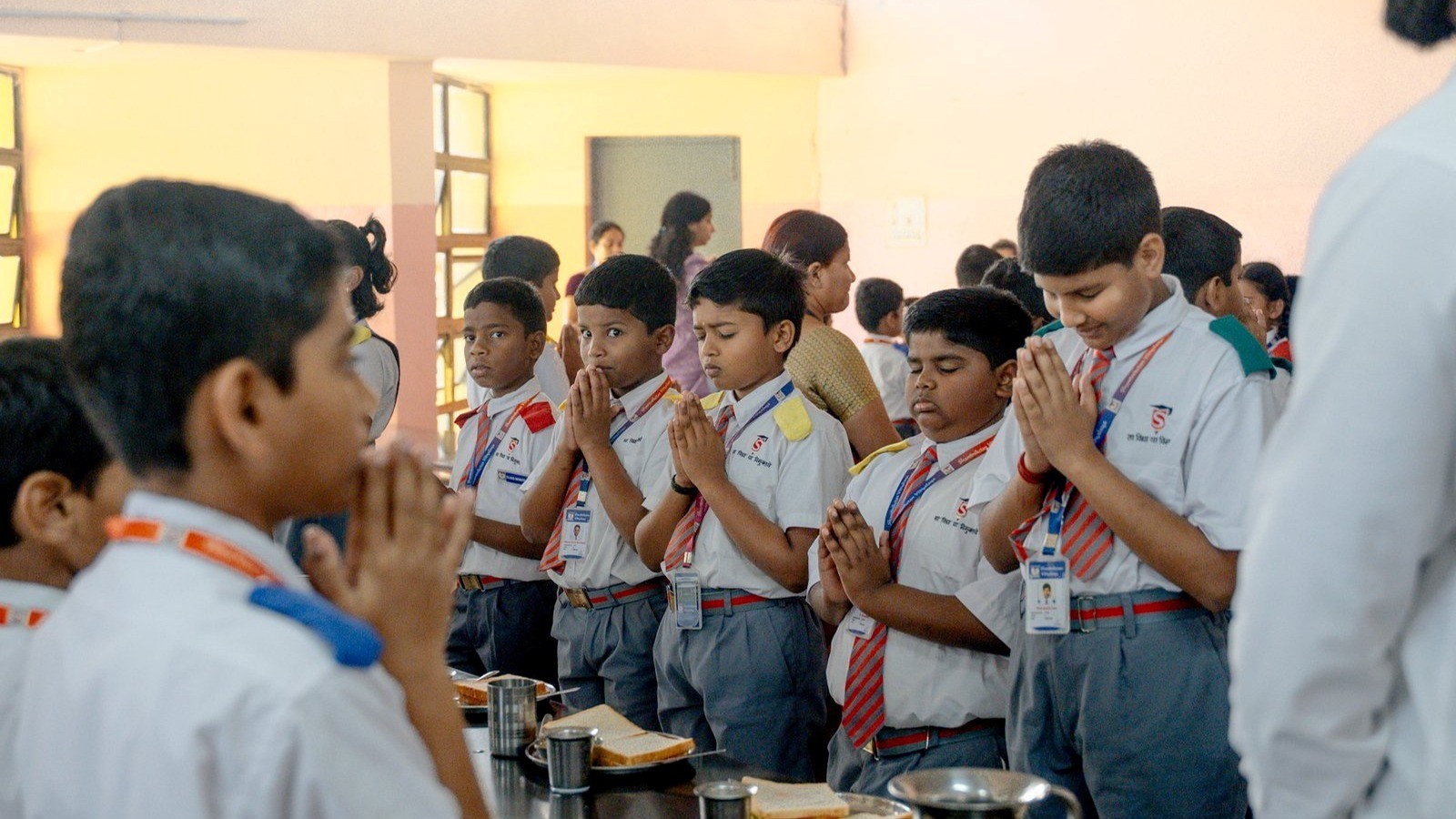
Good meals and clean water are non-negotiable. Find out what’s on the menu, how dining hall hygiene is managed, and how the school handles allergies or special diets. Hygiene routines—bathrooms, laundry, cleaning—should all be up to scratch. If your child has any dietary or medical requirements, clear that up before deciding.
Who actually looks after the students—day and night? What are the rules for moving around campus, handling emergencies, or managing visitors? How do they deal with illness, homesickness, or discipline problems?
Some practical questions: Are there adults on duty in the hostel at night? How are parents contacted if a child gets sick? Is there someone students trust enough to report concerns to, privately? Policies and accountable staff matter more than vague claims about “safety.”
Kids can fall ill or feel homesick—that’s normal. What’s important is having clear access to first aid, doctors, and a way to reach parents fast when needed. Emotional wellbeing matters, too. Does the school keep an eye out for kids who seem to be struggling? Are staff approachable? Is there a healthy line of communication between hostel, parents, and students?
A visit really helps. Walk through classrooms, labs, libraries, sports fields, dining halls, and the hostel itself. Are the facilities in good shape or just good on paper? If your child loves science, check out the labs. If sports matter, check the fields and coaching available. The real test isn’t just ticking boxes; it’s about how these resources fit into students’ everyday lives.
Even though your child lives on campus, staying in the loop is important. How will the school update you—calls, messages, email—about grades, health, or any issues? How easy is it to visit or reach your child if you don’t live nearby? A straightforward, transparent communication process really smooths the transition for both parents and kids.
Always verify the curriculum of the school, especially if you are looking for a CBSE-affiliated school. Ask about teaching approaches, evaluation techniques, and how teachers aid students who lag. It helps when teachers are friendly, give feedback, and see when a pupil is suffering. Catching little problems early makes a big difference.
Exercise on a regular basis is important, not only for health, but for discipline, teamwork and life skills. What sports can I play? How often do youngsters get to join in? All skill levels are welcome. Look for a nice blend of competitive and recreational opportunities. No child should feel excluded.
Don’t let creativity take a back seat. Enquire if music, dance, art, theatre or other creative activities are part of the usual program or simply extras during special occasions. A diverse extracurricular menu keeps learning enjoyable and helps students find latent skills.
Do students participate in clubs, run projects, or organise events? These are situations that create confidence, leadership, and teamwork. The finest schools allow students to take control, let them make small mistakes and learn, and prepare them for life after school.
You want a school that balances study, sports, relaxation, and downtime. Too much pressure can kill motivation; too little structure, and old habits get lost. Ask the school how a typical day flows so you can judge whether your child will fit in and thrive.
Shantiniketan Vidyalaya is a CBSE English medium boarding school in Shamirpet, Hyderabad. You can verify its CBSE affiliation (number 3630046) yourself. The website has details about its curriculum, infrastructure, activities, and admissions—you can grab the basics and set up a chat with the admissions team about your own questions.
Before making a decision, find out about current hostel rules, supervision, accommodation types, fees, and admissions requirements. And, of course, visiting the campus gives you a real feel for the place.
The “best” hostel school in Hyderabad isn’t just about grades, fancy facilities, or a long activity list. What really counts is how the school takes care of your child as a whole. Look for independence, academic growth, friendship, and personal support—all wrapped up in a way that’s right for your child.
Shantiniketan Vidyalaya is a strong option, but whatever your shortlist looks like, cross-check official info, meet admissions staff, and walk around yourself. Seeing the place in action helps you make a choice you—and your child—can feel confident about.