No. 3630046
Looking for the best boarding schools in Hyderabad, India? That’s a big step, and honestly, there’s a lot to think about. It’s not just about books and classrooms—you want a place with quality academics, good rooms, opportunities beyond textbooks, and an environment where your child actually thrives, not just survives. Kids need a place where they learn to live on their own, make close friends, take on new challenges, and grow as people.
Hyderabad has a ton of options, from CBSE and other boards to different teaching styles and campus communities. Every school approaches things in its own way—the curriculum, the vibe, the admissions rules, how they treat students day-to-day. So parents really do need to dig deeper and compare what matters most for their family.
Take Shantiniketan Vidyalaya in Shamirpet, for example. It’s one of Hyderabad’s well-known boarding schools, and a lot of families check it out when they start exploring their options. If you know what features matter most to you—strong academics, good care, chances to play sports or try music—you’ll have an easier time figuring out if it’s the right fit.
People don’t just land in Hyderabad for no reason. The city has earned a spot as a solid center for education, offering schools with different curricula, programs, and styles. Some go the CBSE route, others offer ICSE, Cambridge, or even IB, so families can choose what matches their own values and their kids’ future goals.
CBSE works well for families who want an Indian curriculum with clear structure. Others might pick IB or Cambridge if they’re planning for international studies later. Either way, check the curriculum, see if the board is officially recognized, and look at what subjects are actually available—not just the banners they put out front.
If you’ve never visited a boarding school before, life there might surprise you. Kids live on campus, following planned schedules with classes, study hours, meals, recreation, and downtime all built in. This structure teaches kids to organize their days, live with others, and handle life more independently. They probably brush up on communication pretty fast, too.
But all these benefits depend on how a school runs things—do they have enough staff? Is the environment truly supportive? You’ll want to know how they help new students settle into hostel life, what the rules are about sleep and play, and if there’s time for kids to just be themselves outside of studies.
The best schools aren’t only about math and science—they give students space to try art, sports, theatre, music, whatever excites them. Ask about clubs, activities, sports teams, and whether kids of all ages get to join in. And make sure new students can try things out without being experts from day one. After all, school should help kids discover themselves, not just tick boxes on a résumé.
It’s easy to get wowed by glossy photos of libraries and labs, but ask yourself—are these spaces used every day, or just for show? Is the lab open for hands-on projects, or is it locked up except for exams? Make sure you look past the brochures. Libraries should be more than just shelves—they need a good selection of books and chances for kids to research and explore on their own.
Location is another real, practical factor. You want to know how easy it’ll be to visit, what the travel’s like during vacations or emergencies, and what the visiting policies look like.
Kids away from home for the first time? That can be tough—there’s homesickness, new routines, a whole lot of changes. You want to make sure students get proper supervision, medical support, anti-bullying protections, and friendly staff they can talk to. Ask real questions: Who looks after the kids day and night? What happens if someone gets sick? How’s communication with home handled?
Strong teaching means more than just covering the syllabus—it’s about setting clear goals, checking in with regular assessments, and stepping in with support when a kid needs help. Find out about the teachers’ qualifications, class sizes, and what kind of backup exists for students who fall behind.
For parents zeroing in on CBSE, it’s smart to check out the official CBSE site for details on what’s expected at each grade. It helps to know exactly what you’re signing up for.
Boarding isn’t just about beds and bathrooms, but yes, clean living spaces matter. Check the comfort level: How many kids in a room? Are the bathrooms clean? Can students study quietly? Is it safe at night?
Also, day-to-day routines like meals, laundry, and medical care make a difference. What do kids eat, and is it nutritious? Who helps if a child gets sick? What’s the laundry schedule, and can parents visit easily? These basics add up to a happy (or miserable) boarding experience.
Kids grow on the field and on stage, not just in class. Schools should offer a variety of sports (cricket, football, swimming, and more), creative outlets, and leadership experiences. Make sure your child can actually join up—even if they’re not a natural athlete or artist. A healthy school culture lets every kid discover their strengths at their own pace.
You want to sleep at night knowing your child is looked after. So press for details—security, medical care, emergency plans, and anti-bullying policies really are non-negotiable. Also, mental health counts: Who’s there to help kids who feel down, miss home, or struggle with stress? Good schools have approachable adults, clear processes, and honest communication with families.
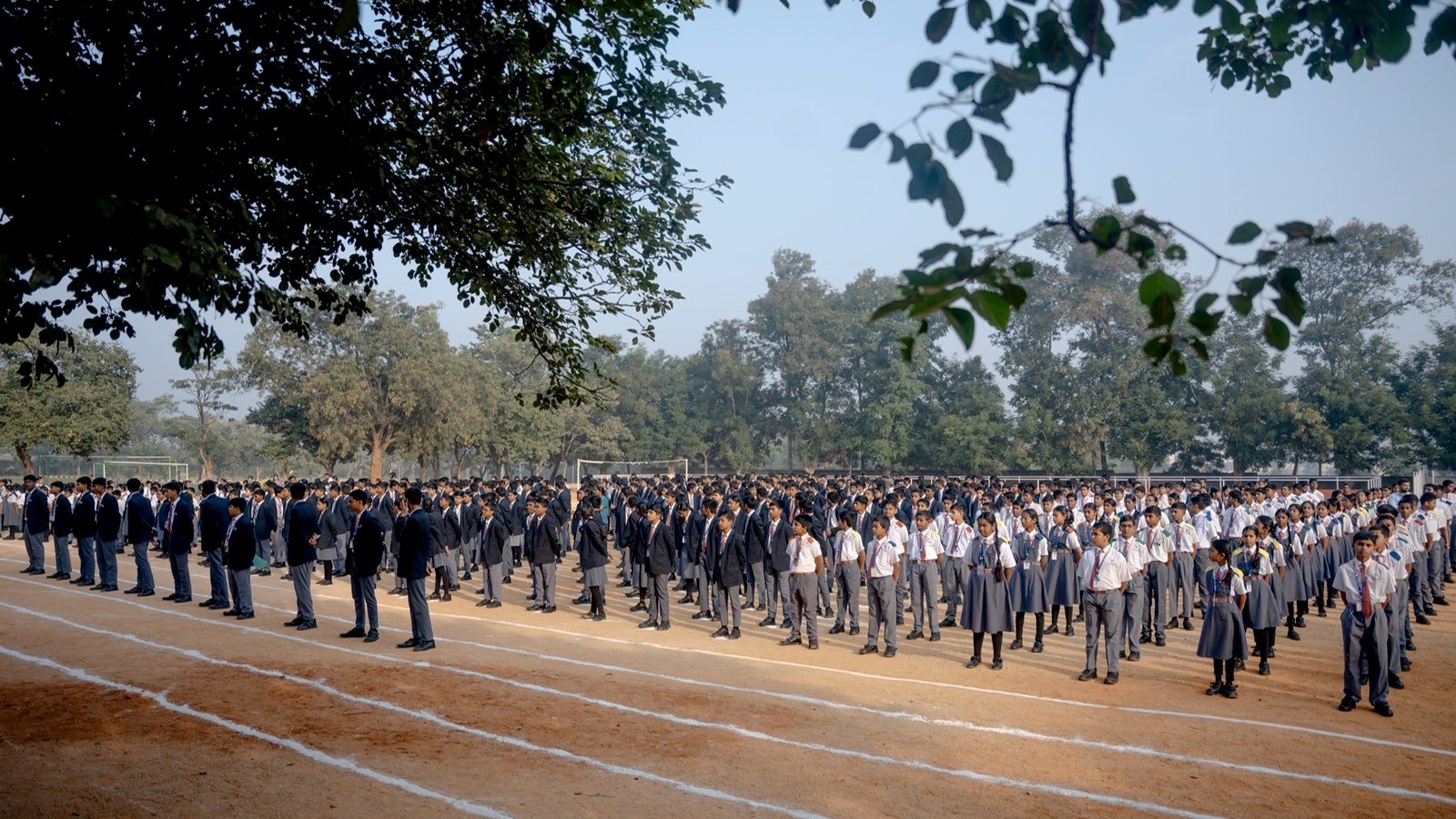
Shantiniketan Vidyalaya, over in Shamirpet, is an English-medium, co-ed residential school affiliated with CBSE (number 3630046), running since 1999. Their site highlights everything—modern classrooms, labs, sports fields, hostels, arts programs, and more. The activities list is solid: you’ll find swimming, basketball, chess, skating, and a strong mix of performing and visual arts. Still, don’t just take their word for it. Visit the campus, check the hostel and sports fields for yourself, ask about supervision and meals, and see how current students feel about life there. You can learn a lot by watching a regular day unfold.
Don’t fall for big names or shiny buildings—use a simple checklist. Start with your child: What do they need and want academically? Which subjects do they hope to study later? Can this school deliver? What about student support if they need tutoring or extra help?
Hostel life matters too. Find out who supervises, how health issues are handled, and what downtime really looks like. Walk around during a visit—nothing replaces seeing the place for yourself.
Then, get a full breakdown of fees. Tuition and hostel charges are just the start. What about meals, uniforms, books, personal expenses, or surprise fees? Make sure the costs are clear so you’re not caught off guard after enrolling.
Also, clarify all admission steps—deadlines, required documents, entrance assessments, the lot. Schools usually list this info on their websites, but always check with the admissions office directly for anything not clear.
Don’t make this a top-down decision. Bring your child along for visits. Talk honestly about what boarding life is like—missing home, sharing space, tackling chores. Let them share any worries or excitement.
Not every child thrives at boarding school. How independent is your kid already? Are they socially confident, or will they need extra support? Good schools help new students adjust, but ultimately, consider both the educational and emotional sides before deciding.
You want a place where your child learns, feels safe, and grows into a confident, independent person who chases their passions. Shantiniketan Vidyalaya is one option, but check around, visit campuses, meet the people, and make sure you get real answers to every question.
And always, always check those application steps, fees, and policies before you sign anything. Keeping your child’s best interests ahead of everything ensures you’ll choose a school that offers both academic strength and real personal growth.